41 reading nutrition facts labels
How to Read A Nutrition Facts Label - Cygma Performance Nutrition Facts The label contains information about calories and the amounts of nutrients found in the food. A nutrient is a part of food that is essential for life. These include macronutrients (carbohydrates, fats, proteins), cholesterol and sodium, as well as vitamins and minerals. We'll go over what all these are below. Serving Size The Basics of the Nutrition Facts Label The following is a quick guide to reading the Nutrition Facts label. Step 1: Start with the Serving Size Look here for both the serving size (the amount people typically eat at one time) and the number of servings in the package. Compare your portion size (the amount you actually eat) to the serving size listed on the panel.
Food label reading guide | Nutrition Australia What to look for when reading food and drink labels (per 100g) Health Star Ratings The Health Star Rating is a front of pack labelling scheme which can be used to make healthier food choices at a glance. The rating range is from ½ - 5 stars and the more stars, the healthier the choice. Recommended minimum star ratings for food and drink categories

Reading nutrition facts labels
Learn How the Nutrition Facts Label Can Help You Improve Your Health Read the Nutrition Facts labels on your packaged food and drinks to keep track of sugars, fats, protein, and other nutrients. Most sodium we consume is from salt, and salt is commonly in processed foods. Read labels and choose the product with less sodium. Drink plain water instead of sugary beverages. PDF TO CARE 4 YOURSELF READING A NUTRITION FACTS LABEL - novoMEDLINK Those labels tell you just about everything you need to know to make healthy food choices. So it's a good idea to learn to read them. Here's how. Nutrition Facts Serving Size ½ cup (130g) Servings Per Container About 3.5 Calories110Calories from Fat20 0% 3% 0% 14% 6% 24% Iron 8% * Percent Daily Values are based on a 2,000 calorie diet. Quick Tips for Reading the Nutrition Facts Label Nutrition Facts Label Healthy cooking and eating start at the grocery store. Bring this Tip Card with you when food shopping to help you make nutritious choices. To create your Tip Card: 1. Use a...
Reading nutrition facts labels. How to read nutrition labels? Reading Nutrition Labels is a fun activity. Determine the serving size and the number of servings per container. Look for the calories. The calorie count is for a single serving. Calculate the total fat grams (g) per serving. Calculate the percentage of daily value. This Is How to Read a Nutrition Facts Label on the Keto Diet The Basics of Reading Food Labels: How to Read a Label in 5 Steps (For Any Diet) To make healthy food choices, stick to these five steps. Step #1: Check the Serving Size. Always start by looking at its serving size. This will ensure that you're calculating nutrition based on the amount of food you're actually consuming. How to Understand and Use the Nutrition Facts Label | FDA When looking at the Nutrition Facts label, first take a look at the number of servings in the package (servings per container) and the serving size. Serving sizes are standardized to make it easier... Nutrition Facts: How to Read Nutrition Labels - Greatist Here are some to look for: Calorie-free: Less than 5 calories per serving. Low calorie: 40 calories or less per serving. Reduced calorie/fat: At least 25 percent less calories/fat than the ...
Sodium on the Nutrition Facts Label | FDA The Nutrition Facts Label is a handy tool you can use every day to see the amount of sodium in packaged foods and beverages and make informed dietary choices. FDA's education materials show you how! How to Read Nutrition Labels - Verywell Fit When you select foods, read Nutrition Facts labels to choose foods that provide protein. Lean meat products and low-fat dairy products are good examples. But when you check the nutrition label for protein, scan the fat grams to make sure the number is not too high. Making the Most of the Nutrition Facts Label Infographic Eat foods with nutrients your body needs like calcium, dietary fiber, iron, potassium, and Vitamin D. % Daily Value. The % Daily Value (DV) tells you the percentage of each nutrient in a single serving in terms of the daily recommended amount. To consume less of a nutrient (such as saturated fat or sodium), choose foods with a lower % DV (5% or ... Nutrition Facts Label Guide | NHLBI, NIH Food labels can help you make healthier choices. Here's information on how read labels on food packaging to help you make quick, informed decisions about the what foods to choose. Keywords: DASH, High Blood Pressure, Heart-Healthy Living DETAILS Audience General Public & Patients Page Count 2 Related Health Topics High Blood Pressure
The New Nutrition Facts Label | FDA Visit the Interactive Nutrition Facts Label to explore the label, from top to bottom. This tool provides a detailed look at all the information listed on the Nutrition Facts label, helpful tips for... PDF How Do I Understand the "Nutrition Facts" Label? added sugars — is a newer category on the label. the fda's dietary guidelines for americans recommend that less than 10% of your total daily calories come from added sugar. there are lots of different names for "added sugars," such as sucrose, fructose, glucose, maltose, dextrose, high-fructose corn syrup, corn syrup, concentrated fruit juice … Understanding Food Nutrition Labels | American Heart Association When the Nutrition Facts label says a food contains "0 g" of trans fat, but includes "partially hydrogenated oil" in the ingredient list, it means the food contains some trans fat, but less than 0.5 grams per serving. So, if you eat more than one serving, you could end up eating too much trans fat. Learning To Read Labels :: Diabetes Education Online When you read food labels, the grams of sugar are already included in the total carbohydrate amount, so you do not need to count this sugar amount separately. The grams of sugar listed include both natural sugars, from fruit or milk, and added sugars. On a nutrition food label, the total carbohydrate includes the sugar. Some Nutrition Facts ...
New Food Label Poster - Nutrition Facts Label Poster | Nutrition facts label, Nutrition labels ...
Reading Nutrition Facts Labels - University of Arizona It's important to understand the steps involved in reading a nutritional label. Check the serving size and calories: Begin by looking at the serving size and the number of servings in a package. The nutritional information that follows is based on the serving size. The number of calories let's you know the amount of energy in food.
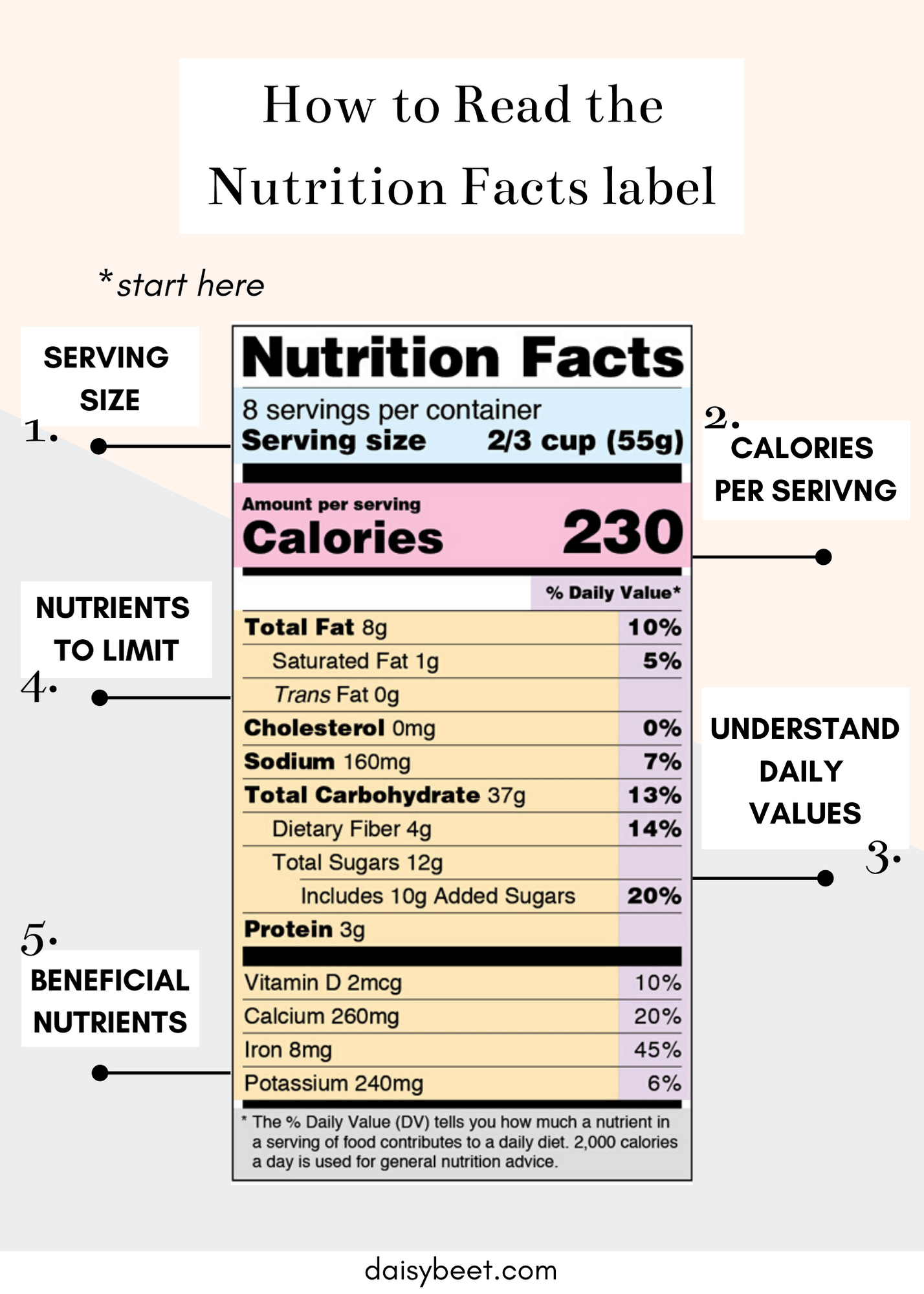
How to Read the Nutrition Facts Label • Daisybeet
Reading Nutrition Facts Labels | Magaram Center Nutrition Experts Blog When reading a nutrition label, you should always start by looking at the serving size first since all the information on the label is pertinent to that serving size. For example, if the serving size is 1/2 of the package and you eat the entire package, all those calories and grams of fat on the label would be doubled.

Learn to Read … Nutrition Facts Labels | GetOut!
Reading food labels: Tips if you have diabetes - Mayo Clinic Sample Nutrition Facts label. Serving size: Serving sizes are listed in standard measurements, such as cups or pieces. Similar foods usually have similar serving sizes, so you can compare them more easily. The label also includes the number of servings per container to help you calculate the calories and nutrients in the entire package.
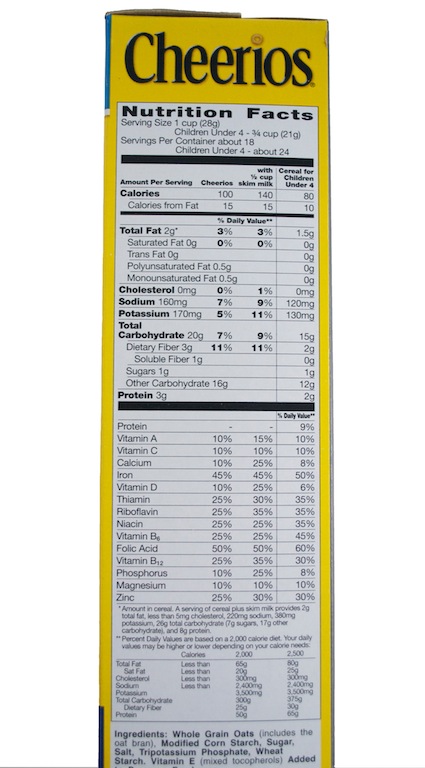
Regular Cheerios Nutrition Label - Labels Ideas 2019
How To Read Food and Beverage Labels - National Institute on Aging At the top of the Nutrition Facts label, you will find the total number of servings in the container and the food or beverage's serving size. The serving size on the label is based on the amount of food that people may typically eat at one time and is not a recommendation of how much to eat. Read more about serving and portion sizes.

Nutrition Printable Worksheets | Reading food labels, Nutrition labels, Nutrition facts label
How to Read Nutrition Facts Labels the Right Way - GoodRx Nutrition Facts labels are required to list the total fat, saturated fat, and trans fats on packaged food products. It's important to choose foods with the right kinds of fats. Here are the differences between the fats you'll see on the label. Bad fats Saturated and trans fats are the less healthy types of fats.
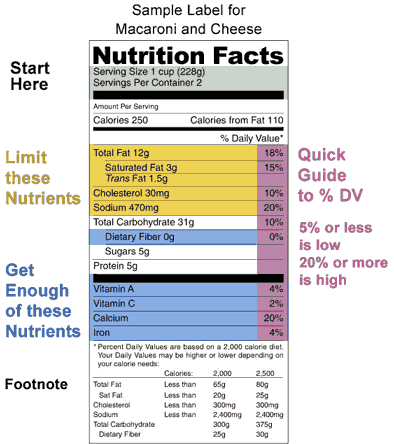
Quick Guide to Food Labels – Live Well Furman
Nutrition Facts Labels - How to Read - For Kids - Dr. Smarty Nutrition Facts Labels - How to Read - For Kids - Animation for American Nutrition facts labels explained.

How To Read Food Labels | Fitomorph.com. Fitness Tips and Motivation
How to Read a Nutrition Facts Label - Jill Merkel, RD Helpful Tips When Reading Nutrition Facts Labels: [Tweet "Helpful Tips When Reading Nutrition Facts Labels"] - Compare products. If you are looking at yogurt, compare a couple different brands and flavors for the amount of Calories, Sugar, and Protein. - Things to limit: Fat (Saturated and Trans), Sodium, Cholesterol, Sugars.
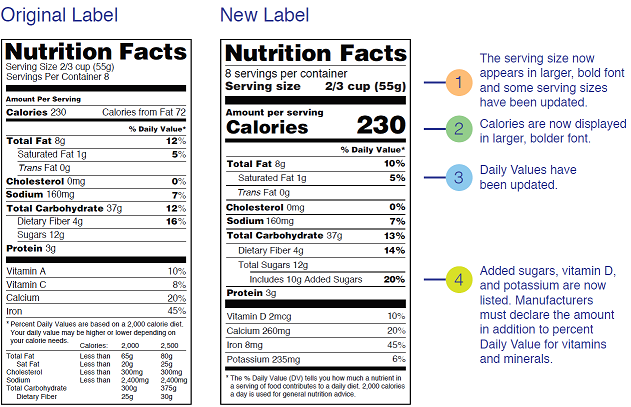
How to Read the 2020 Nutrition Labels | Healthy Outlook
How to Use the Nutrition Fact Label, Eat Right, NHLBI, NIH Use the Nutrition Facts Label You can help your family eat better and balance their energy by learning to choose lower calorie, lower fat alternatives to some of their favorite foods. Use the Nutrition Facts label found on food packages to make smarter food choices. This example below is a Nutrition Facts label is from a macaroni and cheese dinner.
Post a Comment for "41 reading nutrition facts labels"